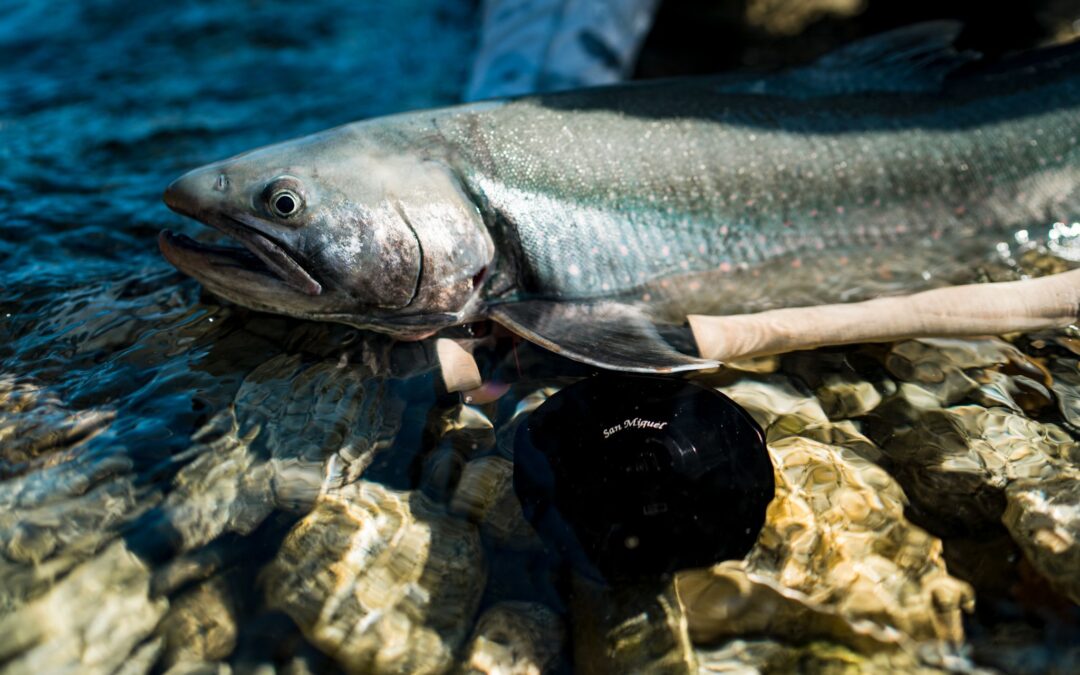
Target Species – Fly Fishing for Arctic Char at Iliamna River Lodge in Bristol Bay Alaska
Alaska Arctic char fly fishing around Iliamna means understanding two closely related fish: true Arctic char and Dolly Varden. Iliamna River Lodge sits on the Iliamna River, where guests can build a fishing trip around the region’s changing seasonal opportunities. This article explains the species distinction, useful fishing windows, and practical presentations to discuss with your guide before stepping into the water. (iliamnariverlodge.com)
What kinds of char live in the Iliamna watershed?
The important distinction is between lake-oriented Arctic char and Dolly Varden, a separate char species strongly associated with rivers and streams. They are not simply different names for the same fish. That matters especially on the Iliamna River: Alaska Department of Fish and Game researchers identified the char they sampled there in 1996 and 1997 as Dolly Varden, despite some local use of the name Arctic char. (adfg.alaska.gov)
For trip planning, use “char fishing” as a broad description, but tell the lodge if catching a confirmed Arctic char is a particular goal. That gives the conversation a clearer focus than asking only whether char are biting.
Arctic char: the lake-oriented species
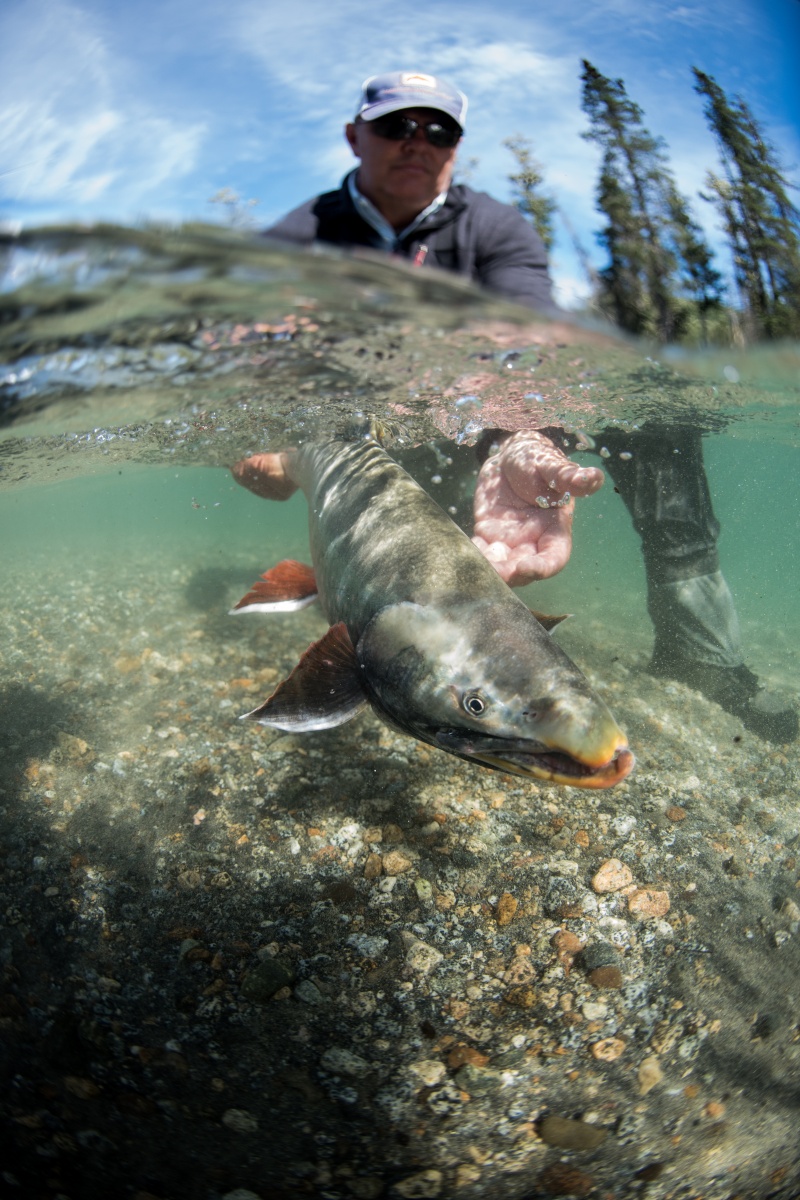
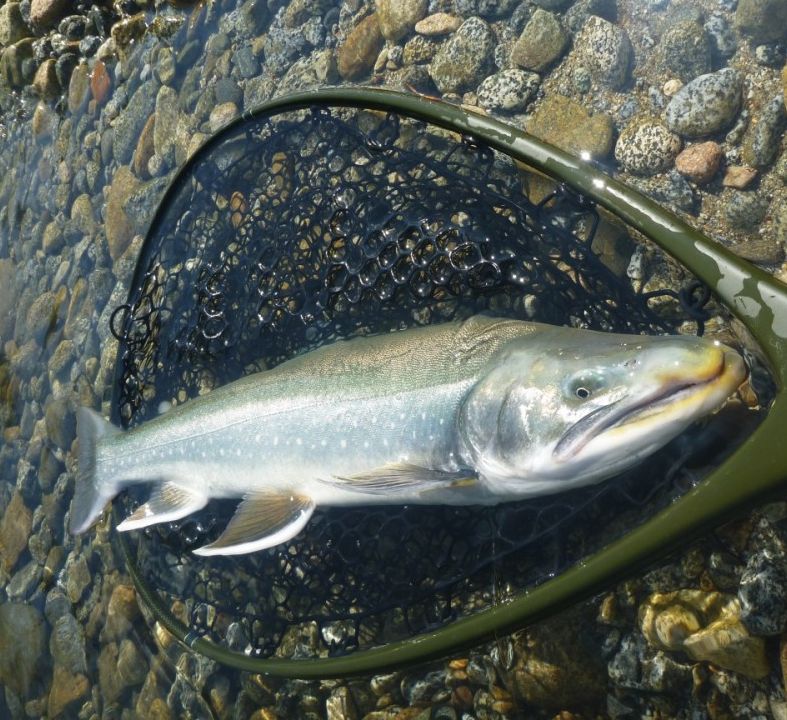
True Arctic char, Salvelinus alpinus, generally complete their lives in Alaska’s lakes. Compared with Dolly Varden, they typically have larger, less numerous pale spots, a slimmer tail base, and a more noticeably forked tail. Their coloration can include bronze or yellowish tones, although appearance alone does not always settle identification. (adfg.alaska.gov)
In Bristol Bay, their connection to lakes shapes the fishing. ADF&G describes seasonal concentrations around lake inlets, first during salmon-smolt movements and later when salmon eggs and flesh become available. For an angler, those feeding concentrations offer a more useful starting point than searching a broad lake without a plan. (adfg.alaska.gov)
Dolly Varden: an important river target
Dolly Varden, Salvelinus malma, commonly show smaller spots, a thicker tail base, and a less deeply forked tail. Freshwater fish may have olive-brown sides with orange or red spots; spawning adults develop stronger coloration. Some populations remain in freshwater, while others migrate to sea, so a bright silver fish should not automatically be labeled a sea-run fish without local knowledge. (adfg.alaska.gov)
For Iliamna River guests, this is more than a technical distinction. The historical river study specifically documented Dolly Varden during July and August. It supports treating Dollies as a legitimate target in their own right—not presenting every river-caught char as a confirmed Arctic char. (adfg.alaska.gov)
When is the best time for Arctic char fishing around Iliamna?
For lake-oriented Arctic char, two useful seasonal targets are the early-summer salmon-smolt feeding period and the late-summer to early-fall salmon-spawning food pulse. For Iliamna River Dolly Varden, July and August have documented river presence, while late-summer egg-feeding opportunities deserve discussion with the lodge. These are planning windows rather than guaranteed peak dates, and legal opening dates must come before biological timing. (adfg.alaska.gov)
June into July: investigate the smolt opportunity
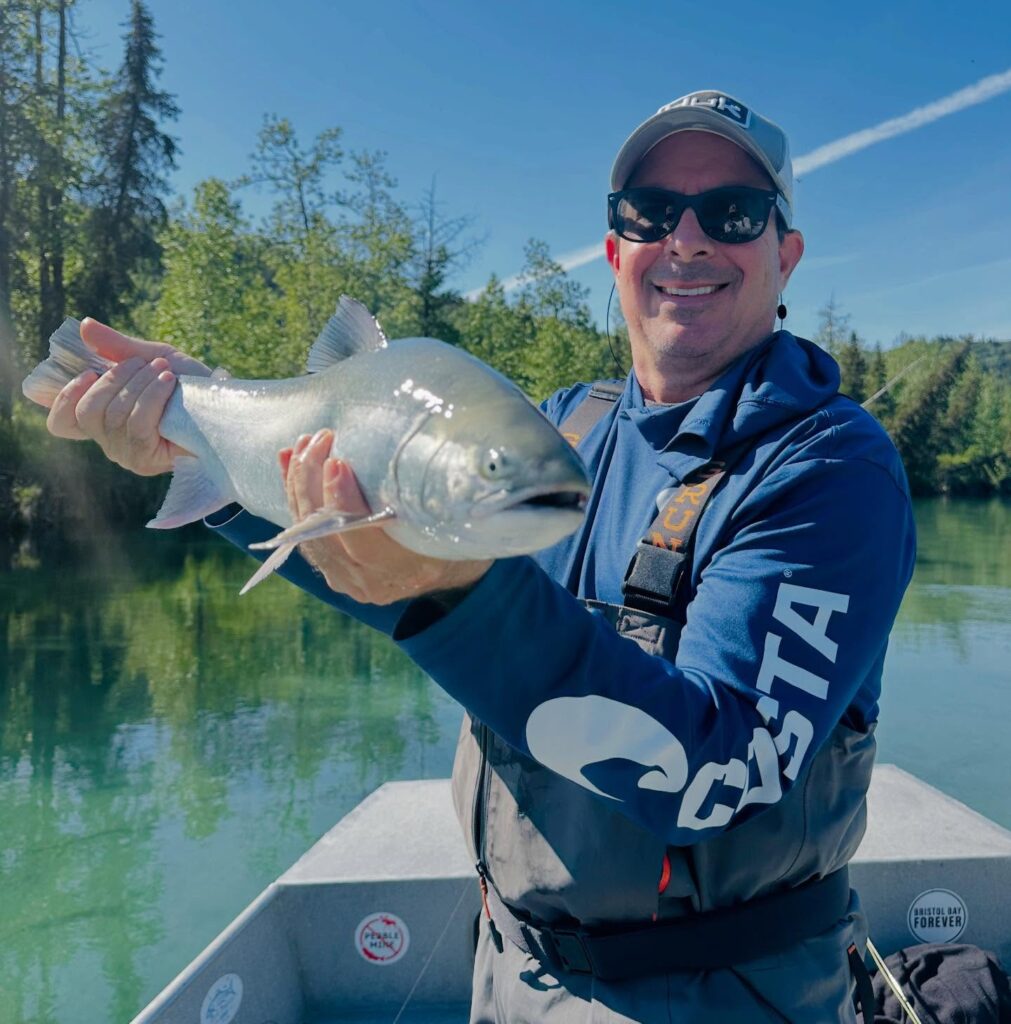
ADF&G describes Bristol Bay Arctic char gathering near major lake inlets during spring salmon-smolt movements, with feeding sometimes continuing into July. For a summer lodge visit, that makes June into early July worth discussing if you enjoy casting baitfish imitations. Ask whether suitable, legally open inlet water is producing char during your proposed week. (adfg.alaska.gov)
Do not interpret a regional May feeding period as permission to fish Iliamna tributary mouths then. Under the 2026 regulations, flowing waters in the Iliamna Lake system and lake waters within a half-mile radius of inlet or outlet streams are generally closed April 10–June 7, subject to the listed exceptions and special provisions. (adfg.alaska.gov)
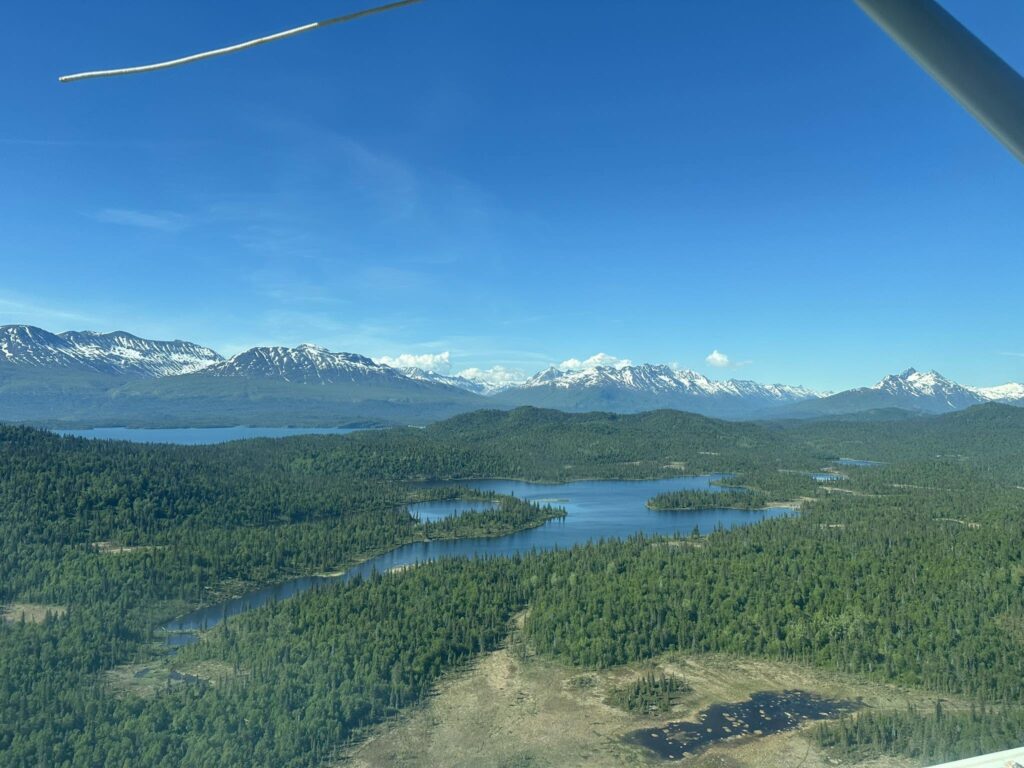
July and August: keep river Dolly Varden in the plan
Historical Iliamna River sampling captured Dolly Varden from mid-July through late August. That does not establish a modern peak week, but it provides locally relevant evidence for considering a midsummer river-char component. Ask the lodge how current water levels, salmon activity, and recent catches affect that possibility. (adfg.alaska.gov)
Keep your preference specific: say whether you would rather fish streamers, learn indicator presentations, or prioritize species identification. A conversation about methods and target water is more useful than choosing a date from a general Alaska fishing calendar.
Late summer and early fall: follow salmon-derived food
Bristol Bay Arctic char gather around lake inlets again to eat drifting eggs and salmon flesh. Dolly Varden also consume salmon eggs, small fish, and insects, making salmon activity relevant to both species. August and September are therefore sensible months to discuss for egg-focused fishing, with the exact opportunity tied to the spawning schedule of the water being visited. (adfg.alaska.gov)
Avoid booking solely for spawning color. Dolly Varden spawn in fall, and bright coloration is not proof that a fish is actively feeding. Ask your guide to prioritize feeding fish rather than fish occupied with reproduction. (adfg.alaska.gov)
Practical fly fishing methods for lodge guests
Treat the following as a working plan to adapt with your guide, not a fixed prescription for every Iliamna fishing day. Start by identifying the likely food source and the water you can cover effectively. Then choose a presentation you can control, rather than the most complicated rig in the boat.
Present streamers around feeding lanes and drop-offs
ADF&G identifies lake-inlet drop-offs as useful places to target Bristol Bay Arctic char, particularly during smolt movements. A practical fly-fishing application is to ask your guide to position you so a baitfish imitation can cross the transition between incoming current and deeper lake water. The goal is deliberate coverage of a likely feeding area, not repeated maximum-distance casting. (adfg.alaska.gov)
Try this simple sequence with your guide:
- Choose a manageable casting lane. Ask where the fly should land and where the retrieve should finish before making the first cast.
- Establish a repeatable sink time. Use the same short count on several casts so you can compare presentations rather than changing everything at once.
- Vary one part of the retrieve. Try shorter pulls, longer pauses, or a steadier movement while keeping the casting angle consistent.
- Report what happens. Tell your guide about follows, taps, or bottom contact, even when they do not become hooked fish.
These are suggested ways to organize your fishing, not claims that one retrieve always wins. Ask your guide to demonstrate the presentation once, then copy its pace. That turns vague advice such as “slow it down” into something you can actually reproduce.
Dead-drift egg flies when eggs are available
An egg fly is a logical option when char are eating salmon eggs. The presentation should travel naturally with the current rather than skate across it under tension from the fly line. Orvis’s instructional guidance emphasizes controlling drag and adjusting the line to account for different current speeds. (adfg.alaska.gov)
For a guided session, ask to work through these adjustments:
- Pick one feeding lane. Make repeatable casts before trying to cover the entire run.
- Allow sinking room. Have your guide show you how far upstream to begin the presentation for the chosen depth.
- Mend for the actual current. An upstream mend is useful in some situations, but current differences determine the correction.
- Watch the indicator’s behavior. Ask your guide to distinguish likely bottom contact, drag, and a possible take.
Depth and line control deserve attention before another fly change. Orvis explains that a line crossing different current speeds can pull a subsurface fly unnaturally, and that casting position affects how easily the drift can be managed. A shorter, more controllable presentation is worth trying before simply casting farther. (howtoflyfish.orvis.com)
Keep flesh flies and insect imitations available
When salmon carcasses contribute food, flesh patterns belong in the discussion; when that food source fades, other imitations may become more relevant. ADF&G’s Bristol Bay guidance includes flesh flies, egg-sucking leeches, insect imitations, and forage-fish patterns among seasonal options. The useful lesson is flexibility, not carrying every possible pattern. (adfg.f.state.ak.us)
Ask your guide to explain each change in plain language: “We need more depth,” “The fish are eating something smaller,” or “This lane is not producing.” Make the next few casts with that one objective in mind. You will learn more from an intentional adjustment than from cycling through flies without knowing why.
Make your guided fishing day easier
Iliamna River Lodge states that it supplies rods, reels, flies, leaders, tippet, waders, and wading boots. That gives guests an alternative to buying an unfamiliar setup before the trip. Confirm sizing, equipment availability, and any personal gear preferences directly with the lodge before traveling. (iliamnariverlodge.com)
Use your pre-trip conversation to settle practical details:
- Name your priority species. Say whether a confirmed Arctic char matters more than a broader river-char experience.
- Describe your casting honestly. Include your comfort with weighted flies, indicators, and fishing from a boat.
- Explain your mobility needs. Ask about the wading and access involved in the opportunities being considered.
- State your preferred learning goal. Better mending, streamer control, or reading water makes a useful focus for a day.
- Confirm what to bring. Check clothing, rainwear, eyewear, and personal equipment against the lodge’s current advice.
Consider keeping a brief fishing note at lunch or back at the lodge. Record the target species, presentation, water type, and one adjustment that helped. It need not become a detailed log; a few useful observations will give you a clearer starting point the next morning.
Resist judging the day only by fish landed. Ask yourself whether you can now recognize drag, repeat a useful retrieve, or explain why your guide selected a particular lane. Those are concrete skills to take home, regardless of how one session unfolds.
Protect the fish and check the specific water’s rules
The 2026 Southwest Alaska regulations list the Iliamna River drainage as open June 8–April 9 and require immediate release of all Arctic char and Dolly Varden caught there. Do not substitute a general Bristol Bay harvest limit for that river-specific rule. Nearby waters also have their own seasonal and tackle provisions, so check the applicable regulations and emergency orders before fishing. (adfg.alaska.gov)
For catch-and-release fishing, ADF&G recommends single hooks, pinched barbs, and releasing fish without removing them from the water. Ask your guide to explain the landing and release routine before the first hookup. That keeps the focus on a prompt release instead of an improvised handling session. (newsreleasearchive.adfg.alaska.gov)
Plan around the experience you want
The strongest starting point for Arctic char fly fishing at Iliamna is a clear conversation: which species, which seasonal opportunity, and which methods interest you most? Ask Iliamna River Lodge to help match those priorities to your proposed dates. Keep the plan flexible, welcome the distinction between Arctic char and Dolly Varden, and use each guided session to make your next presentation more deliberate.