
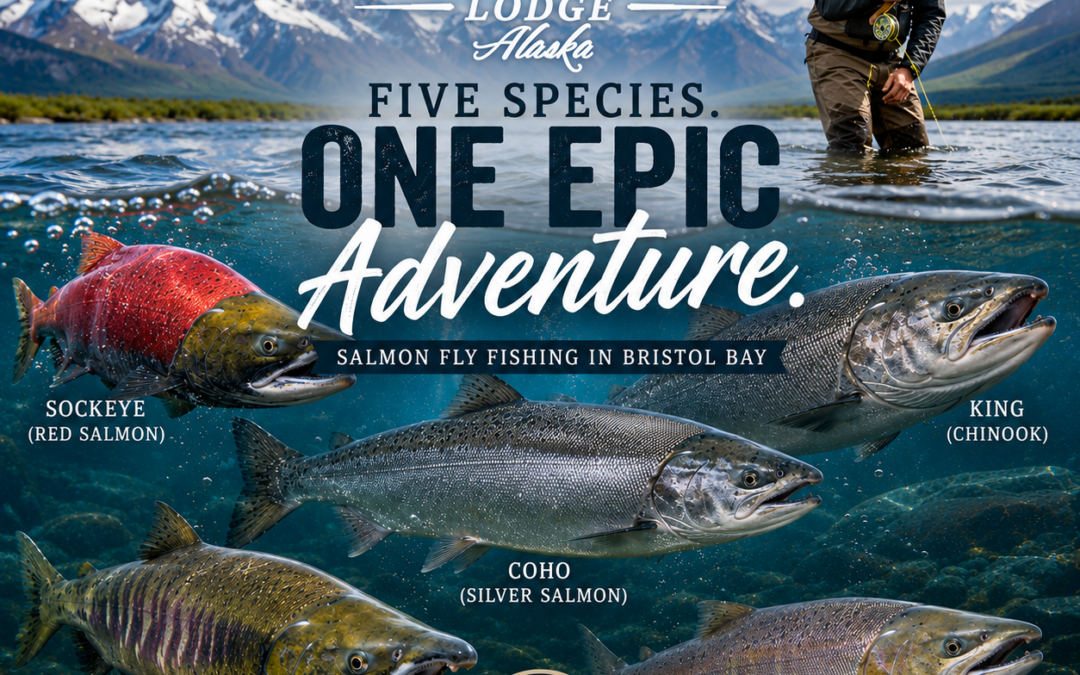
What Kind of Salmon can I catch on the fly in the rivers around Bristol Bay Alaska
Fly-fishing in Bristol Bay, Alaska, is a dream for many anglers. The region is famous for its pristine rivers and abundant salmon.
If you’re planning a trip with Iliaman River Lodge, you’ll be fishing in the heart of the Bristol Bay watershed, with access to classic salmon water and nearby rivers that see strong seasonal runs.
Here, you can catch several salmon species on the fly. Each offers a unique challenge and thrill.
Chinook, Sockeye, Coho, Pink, and Chum salmon are the main species found here. Each has distinct characteristics and behaviors.
Fly fishing techniques vary for each species. Understanding these techniques can enhance your fishing success.
Bristol Bay’s remote beauty adds to the allure of the experience. It’s not just about the catch, but the journey.
Prepare for an unforgettable adventure in one of the world’s top fly-fishing destinations.
Why Bristol Bay is a World-Class Fly Fishing Destination
Bristol Bay, Alaska, stands out as a premier location for fly-fishing enthusiasts. Its rivers teem with life, providing an unparalleled experience. The region’s isolation preserves its pristine nature and abundant wildlife.
Salmon runs here are among the world’s largest. Anglers flock to Bristol Bay for the chance to catch multiple species. Each river offers unique challenges and rewards, perfect for skillful fishers.
The natural beauty of Bristol Bay is breathtaking. Vast landscapes and serene waters create a true wilderness experience. Photographers and nature lovers cherish the area for its vibrant scenery and wildlife diversity.
The rich ecosystem supports many species and conservation efforts are essential. Sustainable fishing practices ensure salmon populations thrive and future anglers can enjoy the same bounty.
Reasons Bristol Bay Excels:
- Abundant salmon runs
- Stunning natural beauty
- Rich wildlife diversity
- Dedication to conservation
Overview of Salmon Species in Bristol Bay Rivers
Bristol Bay is home to some of the most diverse salmon populations in Alaska. Each species brings unique qualities to the fly-fishing experience. The diversity means anglers can target different salmon types on any given trip.
Among the salmon species found in these rivers, five are the most prominent. They vary in size, behavior, and habitat preferences. This variety provides endless challenges and opportunities for anglers exploring the region.
Main Salmon Species:
- Chinook (King)
- Sockeye (Red)
- Coho (Silver)
- Pink (Humpy)
- Chum (Dog)
Chinook (King) Salmon: The Ultimate Challenge
Chinook salmon, often called Kings, are the giants of Alaskan waters. Known for their immense size and strength, they present a formidable challenge for fly anglers. These powerful fish can grow over 50 pounds, requiring skill and patience to catch.
Catching a Chinook on the fly is a coveted accomplishment for any angler. Their enormous strength calls for sturdy fly fishing gear. The right rod and reel ensure you can handle their powerful runs.
The best time to target Chinook in Bristol Bay is from mid-June to July. Their migrations during this period provide prime opportunities. Understanding their behavior helps in locating and catching them effectively.
Successful fly fishing techniques for Chinook often involve streamers and large patterns. These imitate the baitfish that Chinook prey on. Anglers also benefit from mastering strong casting techniques for these battles.
Key Tips for Catching Chinook:
- Use heavy fly rods.
- Opt for large, flashy flies.
- Fish during peak migration season.
Chinook’s thrilling fight and magnificent size make them a top target in Bristol Bay, offering a remarkable fly fishing adventure.
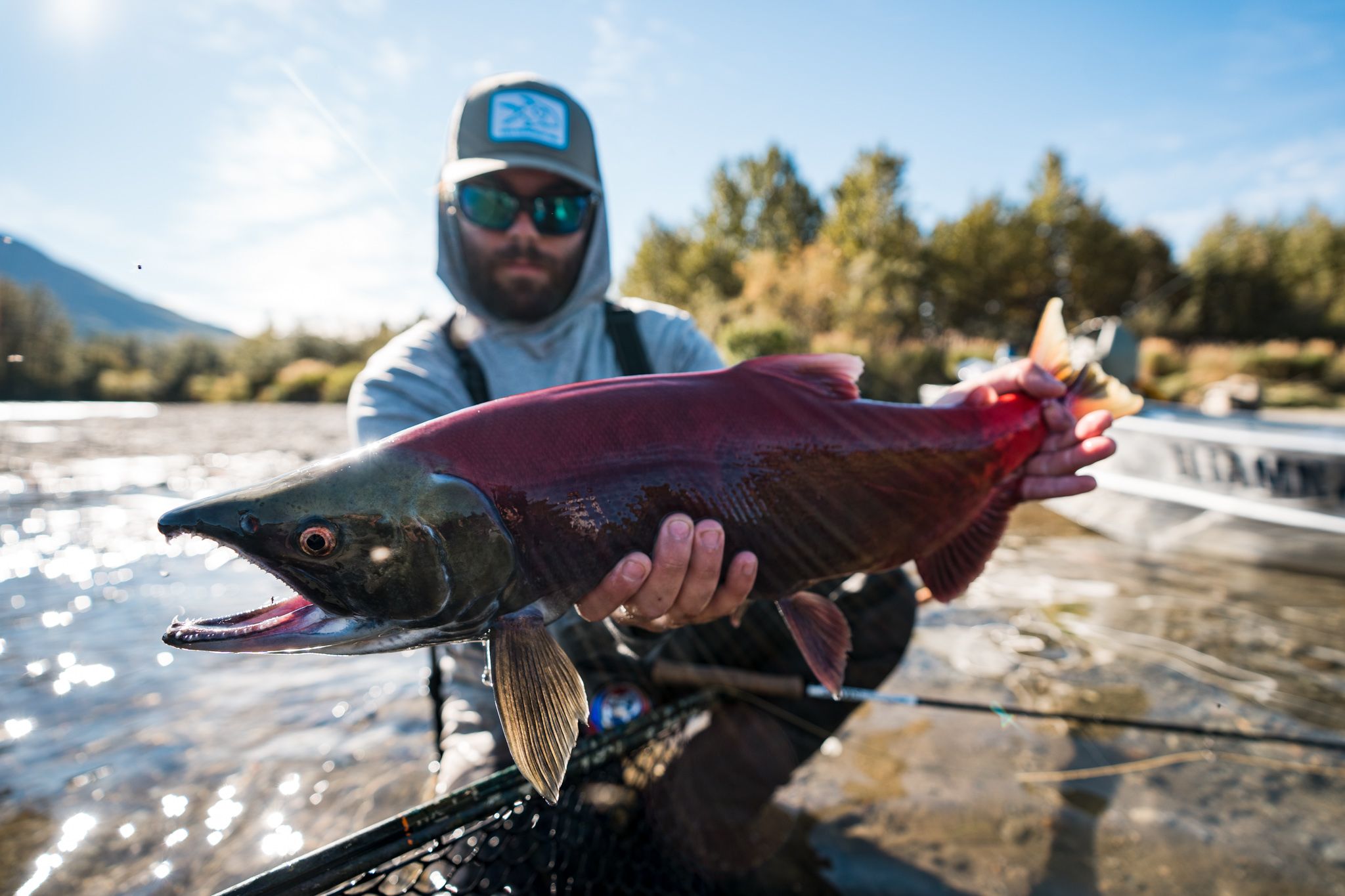
Sockeye (Red) Salmon: The Iconic Fighter
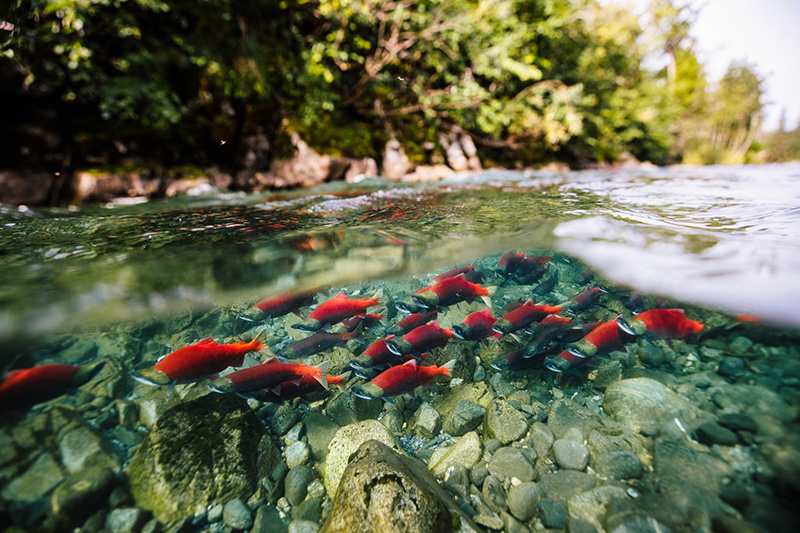
Sockeye salmon, known for their vivid red hue, are a prized catch in Bristol Bay. Their brilliant colors and spirited nature make them a favorite among anglers. Catching a Sockeye offers both visual and physical excitement.
by katsuma tanaka (https://unsplash.com/@kt2080)
These fish are renowned for their agility and tenacious spirit. They often require quick reflexes and precise techniques. Despite their smaller size compared to Chinook, Sockeyes put up a fierce fight.
The best seasons to seek out Sockeye are from mid-June to August. During this period, their migration is most abundant. Anglers can experience thrilling action throughout the peak summer months.
Effective fly fishing techniques often involve using brightly colored flies. Sockeye are visual feeders, so vibrant patterns attract their attention. Choosing the right flies increases your chances of success.
Important Tips for Targeting Sockeye:
- Use bright, colorful patterns.
- Pay attention to river conditions.
- Cast accurately and consistently.
The vibrant appearance and lively fight of Sockeye salmon promise an exhilarating fly fishing experience in Bristol Bay.
Coho (Silver) Salmon: The Aggressive Acrobat
Coho salmon, also known as silver salmon, are famous for their dynamic and acrobatic nature. They are a favored target for those fly-fishing in Bristol Bay. The Coho’s aggressive strikes and thrilling leaps offer high-adrenaline moments.
These fish are most active from late July through September. During this window, their numbers swell in the rivers, making them easier to find. This timing makes Coho salmon a key part of the late-summer angling season.
Fly fishing for Coho often involves using attractor patterns and woolly buggers. Their aggressive temperament means they respond well to erratic, fast retrieves. Varying your presentation can stimulate strikes from these energetic fish.
Key Strategies for Coho Fishing:
- Use woolly buggers and attractor patterns.
- Retrieve flies quickly and erratically.
- Target them during late summer.
The Coho’s spectacular jumps and powerful runs add an element of excitement to fly fishing. Angling for these spirited salmon delivers both challenge and reward to those on Bristol Bay’s waters.
Chum (Dog) Salmon: The Underrated Battler
Chum salmon, affectionately known as dog salmon, are often overlooked by anglers. However, their surprising strength makes them a worthy opponent in Bristol Bay’s rivers. Their vivid coloration adds beauty to the experience.
Despite being less famous than other salmon species, Chum salmon are known for their stamina. Their spirited battles can test an angler’s resolve, providing both challenge and thrill. These fish are fierce and unrelenting.
The best time to target Chum salmon is from late June to early August, when they migrate in large numbers. Their presence in the rivers during this period ensures plentiful opportunities.
Essential Tips for Catching Chum:
- Use bright, flashy flies to attract them.
- Employ sinking lines for deeper waters.
- Be prepared for powerful runs and long fights.
Engaging with the resilient chum salmon provides a unique angling adventure, mixing patience and skill on Bristol Bay’s scenic waters.
Pink (Humpy) Salmon: The Abundant Catch
Pink salmon, also known as humpies, dominate Bristol Bay’s rivers during odd-numbered years. Their prolific numbers mean an angler’s fly line often sees a lot of action. Their smaller size compared to other salmon does not detract from the challenge they offer.
Often found swarming in schools, pink salmon eagerly strike at well-presented flies. This abundance allows even novice anglers to experience the joy of successful catches. Their vibrant coloration during the spawn is a sight to behold.
Tips for Successful Pink Salmon Fly Fishing:
- Use smaller, brightly colored flies.
- Target shallow, fast-moving water.
- Adjust techniques based on their changing migration patterns.
Fishing for pink salmon offers both excitement and plenty of opportunities to improve one’s fly fishing skills
Essential Fly Fishing Techniques for Bristol Bay Salmon
Mastering the art of fly fishing in Bristol Bay takes practice and patience. Understanding the behavior of salmon is key to improving your success rate. Each species demands a unique approach, adapting your strategy to suit their specific traits.
Casting with precision is vital when fly fishing for salmon. Practice your casting techniques to deliver the fly with accuracy. Salmon can be selective, especially during peak migration.
Effective Fly Patterns:
- Streamers
- Egg patterns
- Nymphs
Another important factor is using the right gear. A strong fly rod and the appropriate line weight are necessary to handle these powerful fish. Tailoring your equipment to the conditions can make a notable difference.
Casting Tips:
- Master the roll cast for river fishing.
- Use short casts in narrow streams.
- Control drift with mending techniques.
Respect the surroundings and practice ethical fishing by using barbless hooks. Conservation helps ensure future generations can enjoy Bristol Bay’s rich fishing tradition. Embrace these techniques to enhance your Bristol Bay salmon fishing experience.
by Nikolai Artamonov (https://unsplash.com/@artnick)
Best Times and Places to Fly Fish for Salmon in Bristol Bay

Timing is crucial for successful fishing in Bristol Bay. Each salmon species has its peak season, generally spanning from June to September. Align your visit with these periods for the best experience.
Prime Fishing Spots:
- Kvichak River
- Naknek River
- Nushagak River
- Iliamna River
- Newhalen River
These rivers are renowned for their significant salmon runs, offering prime locations for fly fishing. They promise a rewarding catch amidst stunning wilderness. By understanding the movement and behavior of salmon in these areas, you increase your chances of a successful trip.
Being mindful of local conditions, including water levels and weather, can make all the difference in your fishing adventure.
Fly Fishing Bristol Bay from Iliaman River Lodge
If your goal is to maximize time on the water while staying comfortable in a remote setting, Iliaman River Lodge can be a strong home base for targeting salmon on the fly. Being situated within the broader Bristol Bay region keeps you close to multiple drainages and gives you options as runs and conditions shift through the season.
Nearby waters anglers commonly explore in the area include:
- Local river stretches and tributaries with seasonal salmon movement
- Major Bristol Bay systems such as the Kvichak drainage
- Clearwater connections between lake and river habitats where salmon travel and hold
Whether you’re swinging streamers for Chinook, stripping flashy patterns for Coho, or dialing in presentations for Sockeye, a lodge-based trip makes it easier to match tactics to the day’s water, weather, and run timing.
Gear and Preparation: What You Need for Success
Proper gear is essential for fly fishing success in Bristol Bay. Equip yourself with sturdy and reliable equipment capable of handling robust salmon.
Essential Gear List:
- Sturdy fly rod
- Reel with strong drag
- Salmon-specific fly line
- Waders and boots
- Selection of flies
Focus on selecting gear that matches the size and strength of salmon you plan to catch. Strong, durable gear will enhance both performance and enjoyment.
Preparation extends beyond equipment. Familiarize yourself with the local weather conditions and river terrain. Being prepared will ensure a smoother and more enjoyable fly fishing experience.
by Farkhod Saydullaev (https://unsplash.com/@farkhod)
Conservation, Ethics, and Local Culture
Bristol Bay is a hub for salmon conservation efforts. Protecting these waters ensures a sustainable fishing experience for future generations.
Understanding and respecting local culture is vital. Engage with communities and learn about their traditions linked to salmon.
Ethical Fishing Practices:
- Follow catch and release guidelines
- Use barbless hooks
- Respect wildlife and habitats
Practicing ethics ensures your actions align with conservation goals. This respect safeguards the environment and enriches your fishing experience.
Planning Your Bristol Bay Fly Fishing Adventure
Planning a trip to Bristol Bay takes thoughtful preparation. Consider factors such as timing, weather, and accommodations before you head out.
Researching the peak seasons for salmon can maximize your catch. Each species has its prime time, aligning your visit ensures success.
If you want a trip that’s focused on fishing time, logistics, and local knowledge, staying with Iliaman River Lodge can streamline the experience—especially if you’re looking to explore surrounding rivers as runs build and fade throughout the summer.
Key Considerations for Planning:
- Check local fishing regulations
- Book accommodations early
- Plan transportation logistics
Taking these steps makes your adventure smooth and enjoyable. Proper planning allows you to fully immerse in the stunning beauty of Bristol Bay.
Conclusion: The Experience of a Lifetime
Fly fishing in Bristol Bay is more than just a fishing trip; it’s an unforgettable experience. The unparalleled beauty of Alaska’s wilderness and the thrill of landing a powerful salmon combine to create lifelong memories.
The camaraderie among fellow anglers and the serene environment add depth to the adventure. This trip is as much about the journey and stories shared as it is about the catch.
Embrace the challenges and rewards of fly fishing here. The legacy of Bristol Bay’s pristine rivers and vibrant wildlife makes every moment worthwhile. For anglers who want salmon variety, wild scenery, and a comfortable basecamp, Iliaman River Lodge and the surrounding rivers make a compelling way to experience Bristol Bay.