
Streamer Fly Fishing for Trophy Rainbow Trout in Alaska’s Bristol Bay
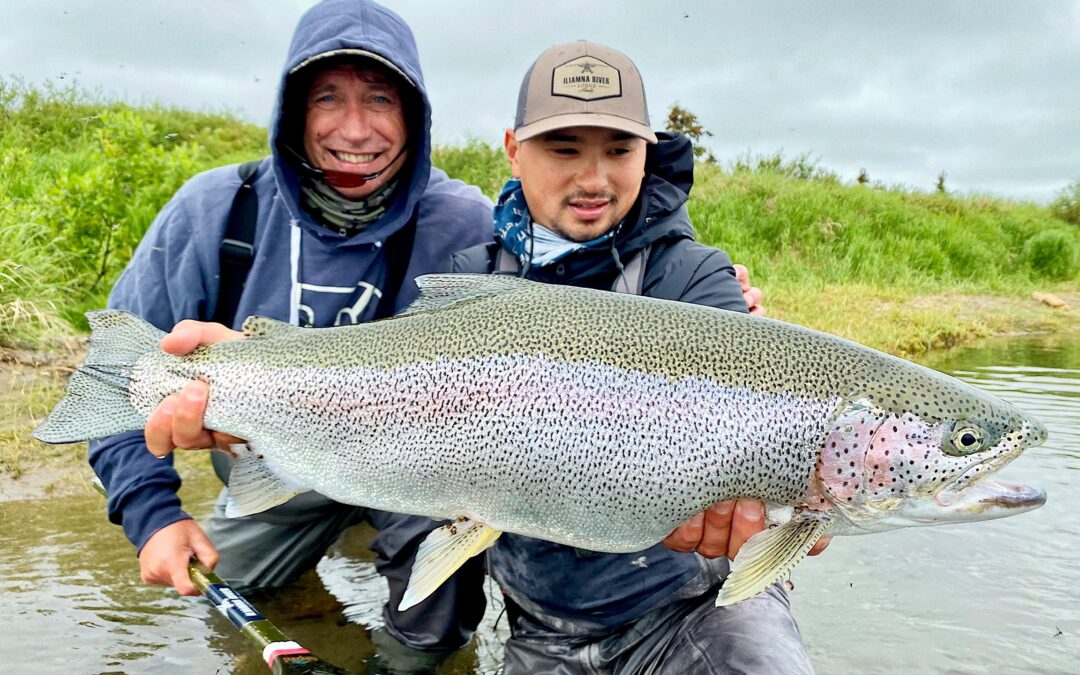
Streamer fly fishing for trophy rainbow trout in Bristol Bay represents the pinnacle of trout fishing in Alaska. With fish commonly exceeding 24 inches and occasionally pushing 30 inches, the size, strength, and aggression of these wild leopard rainbows cannot be overstated.
Streamers can be effective throughout the Alaska fly fishing season, but success depends on understanding both the salmon driven ecosystem and the seasonal behavior of resident rainbow trout. Below is a breakdown of how and when streamer fishing shines in Bristol Bay, and how to approach it month by month. This is a great article if you’re planning on visiting an Alaska Fly Fishing Lodge in the near future.
Summary
Bristol Bay’s rainbow trout are apex predators in a salmon-fueled system, making streamers a top method for targeting trophy fish. Success hinges on matching seasonal food sources and behaviors: fry-driven aggression in June, a selective July transition, flesh-focused feeding in August, and peak reaction-strike streamer fishing in September. Adapt presentations to water, current, and trout position—strip, swing, or dead-drift—and carry a durable, varied streamer box (fry, baitfish/lamprey, flesh, articulated classics). Use stout tackle and practice careful catch-and-release to protect this world-class fishery.
Why Streamer Fishing Works So Well in Bristol Bay
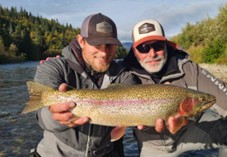 Bristol Bay’s rainbow trout are apex predators in a nutrient rich system. Each summer, millions of Pacific salmon return to spawn, introducing massive amounts of protein into the rivers in the form of fry, eggs, and decaying flesh.
Unlike many lower 48 trout fisheries, Bristol Bay trout are:
- Large and predatory by nature
- Accustomed to chasing baitfish and freshwater lampreys
- Conditioned to capitalize on seasonal food pushes.
This makes streamer fishing not just effective, but often the most direct way to target the largest fish in the system.
June: Early Season Aggression
With the opening of trout season in early June, Bristol Bay rainbows emerge from a long Alaskan winter hungry and aggressive. Fish are actively feeding to regain lost calories, making this one of the best times of the year to fish streamers.
Young of the year salmon fry flood the rivers, and trout key heavily on these small baitfish. Both swinging and stripping streamers can be effective, depending on water type and clarity.
Effective patterns range from:
- Small salmon fry imitations
- Large baitfish/lamprey streamers up to 6 inches in length. And “thin to win” is a good rule of thumb.
June is ideal for anglers who enjoy covering water and triggering reaction strikes from aggressive fish in clear conditions.
July: Transition Period
As sockeye salmon return to Bristol Bay rivers by the millions, trout behavior begins to shift. Fish often position themselves in holding water, anticipating the upcoming egg drop.
During this transitional period:
- Dry fly and nymph fishing can slow
- Trout may become more selective
- Streamers remain effective when fished deliberately
Well placed streamer presentations can still produce, especially when targeting structure, depth changes, and softer seams where trout wait for food to come to them.
August: Flesh Streamers & Big Fish
During peak egg drop season, many anglers totally abandon streamer fishing to imitate drifting eggs with bead rigs. This can be a mistake.
August is when flesh streamers become deadly. As salmon spawn and die, trout feed heavily on decaying salmon flesh, a food source that offers enormous caloric value.
Flesh patterns can be fished:
- Dead drifted
- Slowly swung
- Paused and twitched through feeding lanes
This presentation often produces some of the largest rainbow trout of the season, especially fish that have grown wary of heavily fished bead rigs.
September: Peak Streamer Season
As salmon numbers decline and eggs become less abundant, the streamer bite often fires up in a big way .
Cooling water temperatures and shortening days trigger aggressive feeding behavior as trout prepare for winter. During this time:
- Large, erratic streamers shine
- Reaction strikes become common
- Fish are willing to move significant distances to eat
Flesh streamers continue to work early in the month, but traditional baitfish and articulated patterns often dominate as September progresses.
How to Fish Streamers in Alaska
Successful streamer fishing in Bristol Bay requires adaptability.
Key factors include:
- Water clarity and depth
- Current speed
- Trout positioning
- Seasonal food sources
Depending on conditions, streamers may be:
- Stripped aggressively
- Swung slowly across seams
- Dead drifted like natural flesh
Working with an experienced guide helps dial in presentation and pattern selection day to day.
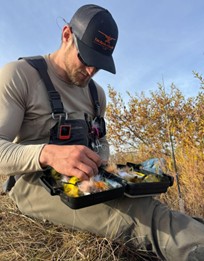 Filling an Alaska Streamer Box
A well rounded Bristol Bay streamer box emphasizes durability, movement, and variety .
Essential streamer categories:
- Baitfish patterns: Including salmon fry imitations
- Flesh flies: Multiple colors and sizes
- Articulated streamers: For reaction strikes and imitating freshwater sea lampreys
- Durable classics: Patterns like the Dolly Llama that hold up to repeated strikes
Having a variety of both profiles and swimming actions is paramount when building an Alaska streamer box.
Tackle Considerations for Streamer Fishing
Streamer fishing for large Alaska rainbows requires appropriate gear:
- 7–8 weight rods
- Strong, abrasion resistant tippet
- Floating or Sink-tip lines
These fish are powerful, and proper equipment increases the chances of landing a trophy
Conservation & Catch and Release
Streamer fishing targets some of the largest and oldest rainbow trout in the system. Nearly all Bristol Bay trout fisheries operate under strict catch and release regulations to protect these wild native fish. There is no fish stocking here.
Responsible handling ensures:
- Healthy releases
- Strong future populations
- Continued world class fishing
Final Thoughts
Streamer fishing for rainbow trout in Bristol Bay is not just about numbers, it’s about targeting the biggest, most aggressive fish in one of the healthiest coldwater ecosystems on the planet.
With the right timing, patterns, and approach, streamer fishing can produce the fish of a lifetime and create some of the most memorable moments an angler will ever experience.
Q&A
Question: Why does streamer fishing work so well in Bristol Bay?
Short answer: Bristol Bay rainbows are apex predators in a salmon-fueled ecosystem. Each summer, millions of salmon flood the rivers with protein in the form of fry, eggs, and decaying flesh. These big, wild trout are naturally predatory, accustomed to chasing baitfish and freshwater lampreys, and conditioned to capitalize on seasonal food pushes. Streamers tap directly into that behavior and are often the most effective way to target the largest fish.
Question: When is the best time to fish streamers, and how should I adjust month by month?
Short answer:
- June: Early season aggression. Trout are hungry and key on salmon fry. Swinging and stripping both work; fish patterns from small fry to longer, “thin to win” baitfish/lamprey profiles up to ~6 inches.
- July: Transition. With sockeye returning, trout hold and become selective. Streamers still produce with deliberate, well-placed presentations to structure, depth changes, and softer seams.
- August: Flesh time. As salmon spawn and die, flesh streamers fished dead-drifted, slowly swung, or paused/twitched can outproduce beads for the biggest trout.
- September: Peak streamer season. Cooling temps and fewer eggs spark aggressive feeding. Large, erratic streamers shine; reaction strikes are common. Flesh still works early, with baitfish and articulated patterns dominating later.
Question: How should I present streamers in Alaska’s varied conditions?
Short answer: Be adaptable. Let water clarity/depth, current speed, trout positioning, and seasonal food sources guide you. Presentations range from aggressive strips to slow swings across seams to dead-drifting flesh patterns. Target structure, depth transitions, and softer lanes where fish wait for food. An experienced guide can help fine-tune daily choices.
Question: What patterns belong in a Bristol Bay streamer box?
Short answer: Build around durability, movement, and variety. Pack:
- Baitfish patterns, including salmon fry imitations
- Flesh flies in multiple colors and sizes
- Articulated streamers for reaction strikes and lamprey profiles
- Durable classics (e.g., Dolly Llama) that withstand repeated strikes Carry a mix of profiles and swimming actions, and remember that sparser “thin to win” profiles can excel in clear early-season conditions.
Question: What tackle and ethics should I follow for trophy rainbows?
Short answer: Use 7–8 weight rods, strong abrasion-resistant tippet, and floating or sink-tip lines to handle powerful fish and varied water. Nearly all Bristol Bay trout fisheries are strict catch-and-release to protect wild, native populations (there’s no stocking). Responsible handling supports healthy releases, strong future populations, and sustained world-class fishing.